


RELX Infinity in the UAE: Charging, Replacing Pods and Daily Use

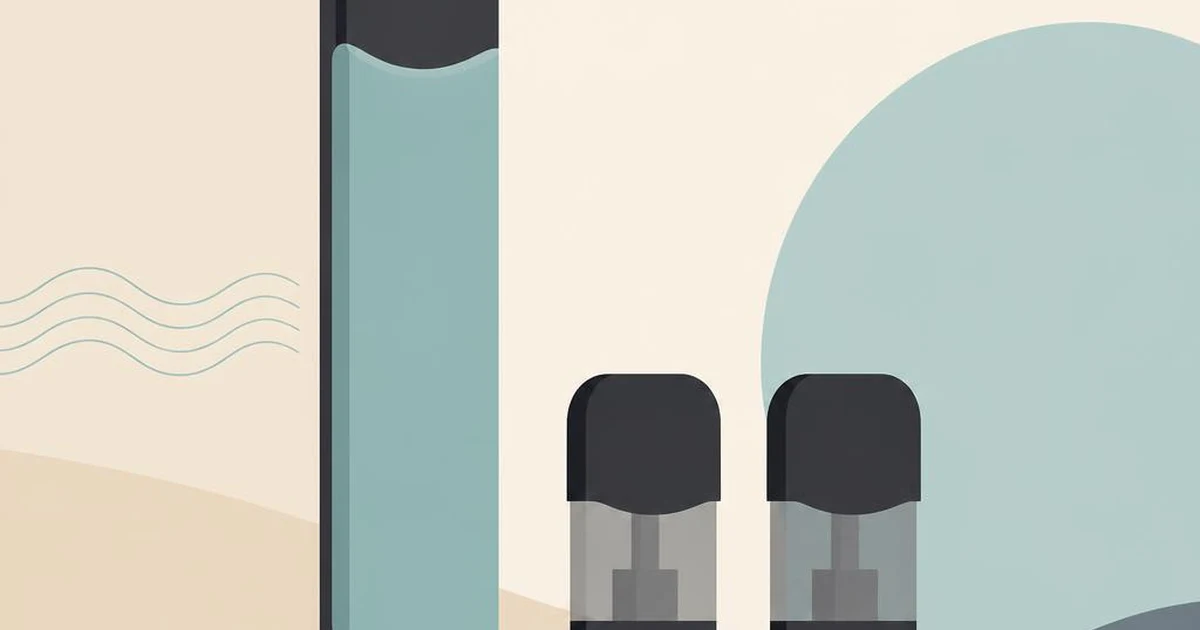
The RELX Infinity is a closed pod system with a 380mAh rechargeable battery, which means there are two consumable states to tell apart before anything else: a pod that has finished and a battery that needs charge. Which one you are looking at decides whether you replace a pod or reach for a charger, and that is the question this page is built around.
This page covers that daily routine for the RELX Infinity pod: what the device is, what the product records document, how to tell the two states apart, and how to store it between uses. The buying decision is a different question and is covered in the RELX Infinity buying guide.
What kind of device this is
The RELX Infinity sits in the POD SYSTEMS category, and the product record describes it as a closed pod system. That single word does most of the work in this article.
In a closed system, the pod is the consumable unit. You do not open it, you do not fill it, and you do not handle the coil. When it is done, it is replaced. The device itself – the battery, the housing, the draw sensing – is the part that stays with you, and it is expected to keep working across many pods. That is the opposite of a disposable, where the whole thing is the consumable, and it is why the troubleshooting on this page is about telling apart two parts rather than about diagnosing a single sealed object.
The documented specification
Everything below was read back from the store product records on 15 September 2026 rather than taken from memory or from another retailer listing.
| Item | What the record documents |
|---|---|
| Device type | Closed pod system, listed under POD SYSTEMS |
| Battery | 380mAh, rechargeable |
| Draw technology | Super Smooth, with air boost and active-steam pro named in the record |
| Pod strength | 18mg/ml in the recorded pod listing |
| Pod pack size | Two pods per pack in the recorded listing |
| Pod flavour in that listing | Blueberry |
The pod in that example is on the pod listing, and the device is on the device listing. Both were live and in stock when this page was written.
Telling a finished pod from a flat battery
This is the part worth reading twice, because the two problems present in similar ways but have completely different fixes.
| What you notice | What it usually means | What to do first |
|---|---|---|
| Vapour was normal, then dropped off and stopped, and the device was charged recently | The pod has reached the end of its life | Replace the pod. The device itself is unchanged |
| Vapour weakened gradually across a session, and the device has not been charged for a while | The battery is running down, not the pod | Charge the device and try again before replacing anything |
| Vapour was normal, then stopped right after you swapped in a fresh pod | The pod is probably not seated properly | Take the pod out and reseat it before assuming a fault |
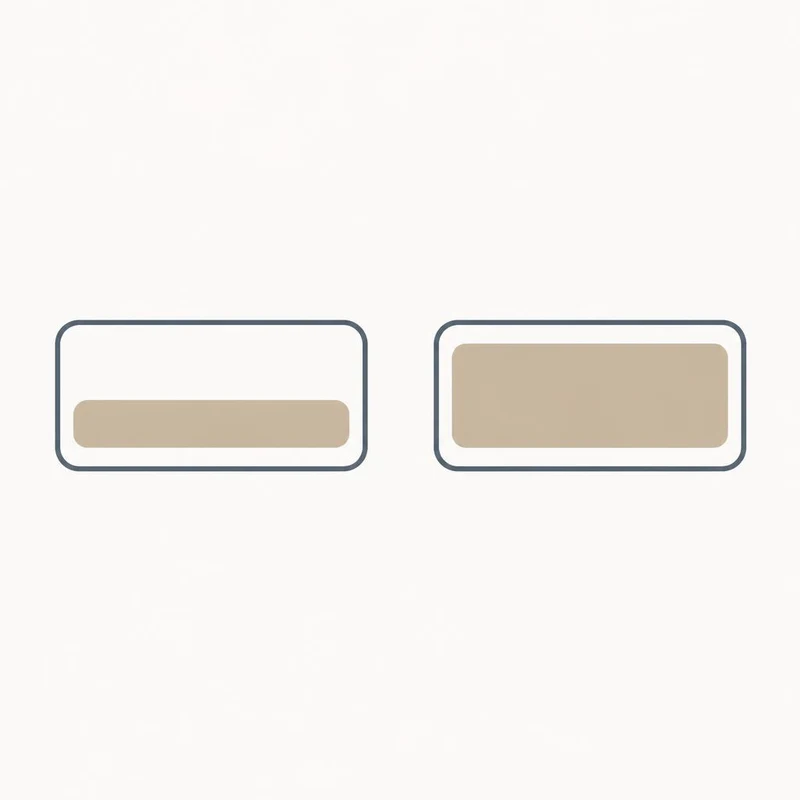
The logic behind the table is simple. A closed pod system has two parts that can stop working, and only one of them is consumed by use. If you replace a pod when the real problem was charge, you have spent a pod for nothing. If you charge when the pod itself is finished, you will get a full battery and the same weak vapour back, which is the point at which the device can look broken.
Charging the device
The record documents a 380mAh rechargeable battery, which puts this device in the small-battery bracket – the kind where topping up is normal rather than a sign of a fault. If the vapour fades across a session rather than dying outright, charge it before you do anything else.
What the record does not document is a charge time, so this page does not state one. Treat any specific “charge for X minutes” figure you see elsewhere as unverified for this device unless it comes from the packaging or the manufacturer.
Two habits are worth having regardless. The record documents no fast-charge support, so charging from a standard USB source rather than a high-output brick is the safer default. And charge while you have a spare pod to hand, so that a flat battery and a finished pod never arrive at the same time.
Replacing a pod
Because the system is closed, replacing a pod is the whole maintenance routine. There is no coil to prime, no tank to fill, and no residue to clean out of a chamber you can open, because you cannot open it.
Two things are worth checking when a fresh pod is not behaving. First, that it is seated fully – a pod that is in but not quite in gives the exact symptom of a dead pod. Second, that it is a pod recorded for this device, since strength and format are properties of the pod listing rather than something you set yourself.
Storing and carrying it between uses
Keep unused pods sealed until you need them. A pod that has been opened and left sitting is exposed to air and to whatever is in your bag, and there is no benefit to opening one early.
For the device itself, the two things that actually matter are heat and liquid. Do not leave it in a car in UAE summer conditions, and keep it out of the pocket that also holds keys and coins. The record lists a leak resistance maze as part of the internal design. That is a property of a correctly seated pod rather than a licence to store the device loose among sharp objects.
What the records do not document
Being clear about this matters more than filling the gaps with guesswork, so here is what this page deliberately does not tell you.
- Charge time. The record gives battery capacity but no charging duration.
- Pod life in puffs or days. The pod listing gives strength and pack size, not a puff rating, so no duration can be calculated or promised.
- Step-by-step installation. The records describe what the device is, not a numbered procedure, so the guidance above stays at the level the evidence supports.
If you need any of those three, the packaging and the manufacturer documentation are the places to look, and they will be more current than a retailer page anyway.
Frequently asked questions
Can I refill the pod myself?
No. The device is recorded as a closed pod system, which means the pod is a sealed unit you replace rather than a container you refill. Anything that involves opening a pod and adding liquid is a different product category, not a technique for this one.
How do I know a pod is seated properly?
The check is the symptom itself. A pod that is in but not fully seated behaves like a finished pod: vapour drops off even though the device is charged and the pod is new. If a fresh pod gives weak output, remove it and reseat it before you conclude anything about the pod or the device. The record does not document a specific insertion depth, so the practical test is whether a reseated pod changes the result.
References
- RELX Infinity device product record and pod product record – uaevape.store, read 15 September 2026.
- RELX Infinity UAE Guide: Device, Pods and Buying Checklist – uaevape.store.