


Can I Take My Vape to Dubai? Airline, Baggage and Customs Checks

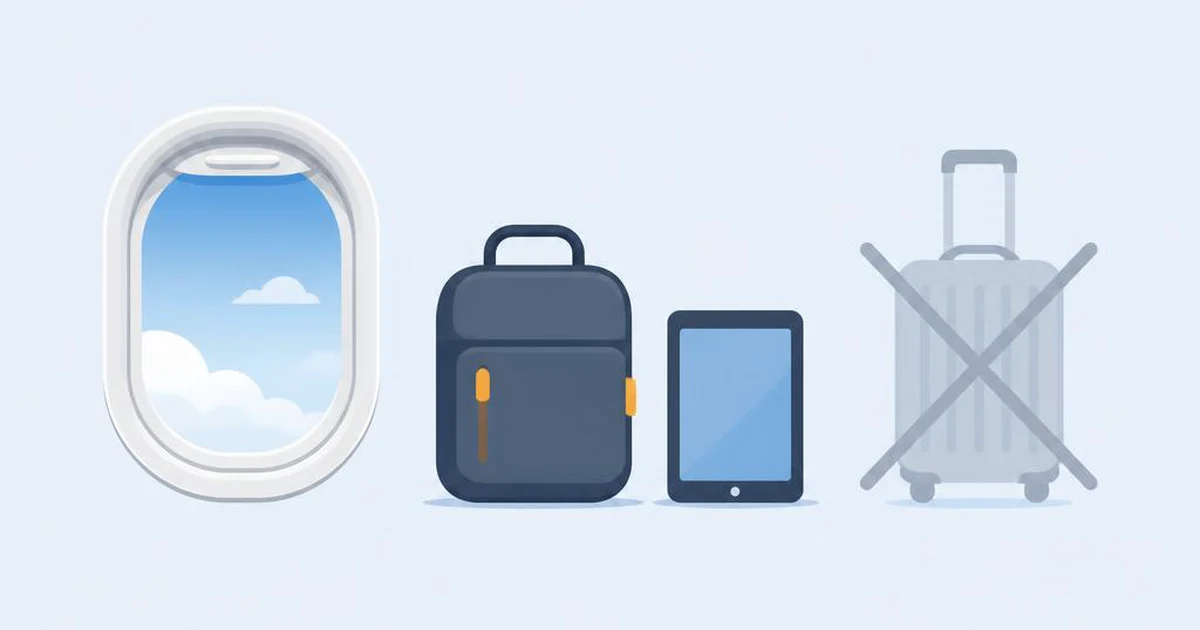
The short answer for UAE-operated flights: Emirates, Etihad Airways, flydubai and Air Arabia all publish rules that allow an e-cigarette or vape in the cabin, and none of them allows it in checked baggage. Etihad and flydubai state in their own pages that using an e-cigarette on board is prohibited, and the Emirates dangerous-goods page records that acceptance is still subject to customs and airport-security checks in the country of departure or arrival. That is a baggage rule, not a customs ruling, so the exact device, quantity and route still have to be confirmed before you fly.
This guide covers what the four UAE carriers publish and how to check the parts an airline page cannot settle. The rules for carrying a vape from Dubai to India and the rules for vaping inside Dubai Airport are handled on their own pages of this site, and this page hands those cases over rather than restating them. Each carrier row carries the date it was last checked. Treat this page as a preparation method, not as permission to carry a particular item.
Which UAE airlines allow a vape on board?
Emirates, Etihad Airways, flydubai and Air Arabia each publish a rule that permits an e-cigarette or vape in the cabin, and none of them permits it in checked baggage. Each row below quotes the carrier’s own dangerous-goods or prohibited-items page. Where a carrier uses different words for the same idea, the table keeps that wording rather than flattening it into a general statement.
| Airline | Cabin | Checked baggage | What the airline says | Rule checked on |
|---|---|---|---|---|
| Emirates | Permitted | Not permitted | E-cigarettes, including e-cigars, e-pipes and other personal vaporizers, are carry-on only; batteries must be individually protected against accidental activation, and acceptance remains subject to customs and security checks | 9 September 2026 |
| Etihad Airways | Permitted | Not permitted | Electronic cigarettes are only permitted in the cabin bag and must not be packed in the checked bag; use of the device is strictly prohibited on board (row last confirmed 9 September 2026) | 9 September 2026 |
| flydubai | Permitted (must be in hand baggage) | Not permitted | All smoking and vaping devices must be in hand baggage and carried in the cabin, packaged to prevent accidental activation; smoking and vaping are completely prohibited on board | 20 September 2026 |
| Air Arabia | Permitted | Not permitted | E-cigarettes and personal vaporizers are permitted in carry-on baggage only and must be protected from accidental activation | 20 September 2026 |
Two limits apply to that table. First, a carrier’s page covers that carrier: a code-share booking still needs the operating carrier’s instruction for each segment. Second, the table covers carriage, not use. Etihad and flydubai both state explicitly that using the device on board is prohibited, and Emirates’ and Air Arabia’s pages describe the same cabin-only, protected-battery approach.
What has to be checked before you fly?
Two checks are published and one question stays open: the operating carrier’s rule, the aviation screening list, and the destination’s own admission decision. The table keeps the three apart.
| Question | Evidence available in this guide | What to record |
|---|---|---|
| Will the item be accepted for this flight? | The operating carrier’s dangerous-goods page, from the table above where the carrier is Emirates, Etihad, flydubai or Air Arabia. Another operating carrier needs its own current policy. | Carrier name, flight number, policy URL and date checked. |
| What happens at aviation screening? | The GCAA passenger prohibited-item list supplies aviation categories and carry-on/checked-baggage columns, but does not classify every vape, cell or liquid. | Terminal, transit arrangement and any re-screening or airside change; ask the carrier or airport when the exact item is not covered. |
| Can the item enter the destination? | Unresolved here. Emirates says customs and airport-security checks still apply, but the sources reviewed do not contain a product-specific UAE customs ruling. | Product type, quantity, route and a current written answer from the relevant UAE or emirate customs authority. |
Keeping these questions separate prevents a common mistake: treating an airline’s baggage statement as a customs ruling, or treating a search result about Dubai as an instruction for a different airport or carrier.
Which airline’s rule actually applies to your flight?
The operating carrier’s rule applies, not the brand on the booking. For an Emirates segment, read the Emirates Dangerous Goods Policy immediately before travel. Its e-cigarette row shows carry-on permitted and checked baggage not permitted, and its disclaimer says cabin or checked-baggage acceptance is also subject to customs and airport-security checks in the departure or arrival country. The Etihad prohibited items page, the flydubai dangerous goods page and the Air Arabia prohibited items list work the same way for those carriers.
Do not rely on a cached forum answer or a policy page copied into a retailer listing. Save the current page and note the date, because airline wording and route conditions can change.
What does the UAE aviation list add?
It adds the aviation screening layer, not a customs decision. The UAE General Civil Aviation Authority passenger dangerous-goods list separates carry-on and checked-baggage columns for categories of lithium-battery portable electronic devices and other items. It is a useful aviation reference, but a category table does not classify every vape, spare cell or liquid for every route. If your device, battery or packaging is not clearly covered, ask the operating carrier and the relevant airport rather than inferring the outcome.
Who decides at departure, transit and destination?
Three rule owners decide, and what is worth carrying from one stage to the next differs. At departure the operating carrier and airport security decide: read the carrier page for the flight date and keep the device in hand baggage, protected against accidental activation. In transit, transit security decides, and the fact that changes the answer is whether the itinerary involves a terminal change or a re-screening, or whether you stay airside. At the destination, that country’s customs authority decides, and in some countries a health or tobacco authority as well; ask for a written answer and keep it with the booking.
What should you record before you travel?
Record the operating carrier, the policy page you read and the date you checked it, for every segment.
- List every flight segment and identify the operating carrier, not only the booking brand.
- Read each carrier’s dangerous-goods and baggage page for the date of travel.
- Identify whether the itinerary has a transit, terminal change or security re-screening.
- Check the relevant UAE and transit authority information for the exact product and quantity.
- Keep the policy links, screenshots or saved pages and the date checked with the booking record.
- Ask for written clarification when a policy uses “subject to” language or the item is not clearly described.
What can this guide not confirm?
It cannot confirm that a particular device is legal to import, that customs will admit it, that an airport will accept it at screening or that a carrier will permit it on a changed itinerary. It also does not advise hiding a device, placing it in a different bag or bypassing a screening instruction. When the published sources disagree, stop and ask the rule owner with the exact route and product description.
Two separate checks may help you prepare that description without turning them into travel permission: use the UAE vape label guide to record the exact variant and pack details, and handle any device leak using the leak-check guide before you pack. Neither page overrides the operating carrier, airport security or customs authority.
References
- Emirates: Dangerous Goods Policy (e-cigarette carry-on and checked-baggage rows plus the customs/security disclaimer; checked 9 September 2026, page re-accessed 20 September 2026).
- Etihad Airways: Prohibited items and dangerous goods (cabin-bag-only rule and on-board prohibition; checked 9 September 2026, page re-accessed 20 September 2026).
- flydubai: Dangerous goods (hand-baggage requirement, accidental-activation packaging and on-board prohibition; checked 20 September 2026).
- Air Arabia: Prohibited items (carry-on only and accidental-activation protection; checked 20 September 2026).
- UAE General Civil Aviation Authority: Prohibited Item List (passenger aviation categories and carry-on/checked columns; checked 20 September 2026).
- Dubai Customs: Service Guide 2025 – passenger personal-effects provisions (checked 20 September 2026; no e-cigarette-specific provision located in the guide during that check).
- Customs admission remains unresolved in this article; no product-specific UAE ruling is claimed. Ask the relevant customs authority for the exact route, item and quantity.
- No universal UAE admission, checked-baggage or carrier guarantee is made; the exact itinerary and current rule-owner answer control.
Last checked: 20 September 2026, with each carrier row carrying its own check date. Airline policies and route conditions change; confirm against the operating carrier’s page and the relevant customs authority before you fly.